
- Music therapy for dementia uses familiar songs, singing, gentle movement and instruments, guided by a board-certified music therapist, to support mood, connection and comfort.
- A 2025 Cochrane review of 30 studies found that music-based therapy probably improves depressive symptoms and may improve overall behavioral problems in people with dementia.
- The same review found music therapy is unlikely to change agitation, aggression or cognition in a meaningful way, so it supports quality of life rather than slowing the disease.
- Musical memories often stay strong even when other memories fade, which is why a favorite song can spark recognition and conversation.
- Caregivers can use music at home too, from personalized playlists to singing during daily routines.
If you care for someone living with dementia, you may have seen it happen. A parent who no longer remembers what they had for breakfast starts singing along to a song from their teenage years, word for word. A spouse who rarely speaks taps their foot and smiles when an old favorite comes on the radio.
Moments like these are one reason music therapy has become a meaningful part of dementia care. This guide explains what music therapy for dementia is, what the research shows, what a session looks like and how you can use music to connect with your loved one at home.
What Is Music Therapy for Dementia?
Music therapy for dementia is the clinical use of music, such as singing familiar songs, listening, playing simple instruments and moving to rhythm, by a credentialed music therapist to support the emotional wellbeing, communication, comfort and quality of life of people living with dementia and their caregivers.
A board-certified music therapist does much more than play music for a room. They assess the person's history, musical preferences and current needs, choose music with purpose, watch closely for responses and adjust each moment to what the person can do today. If you're new to the field, our guide to what music therapy is and how it works covers the basics.
Music therapy can help people at every stage of dementia, including Alzheimer's disease, vascular dementia, Lewy body dementia and frontotemporal dementia. In later stages, when words become difficult, music often remains one of the few ways to connect.
Why Music Reaches People With Dementia
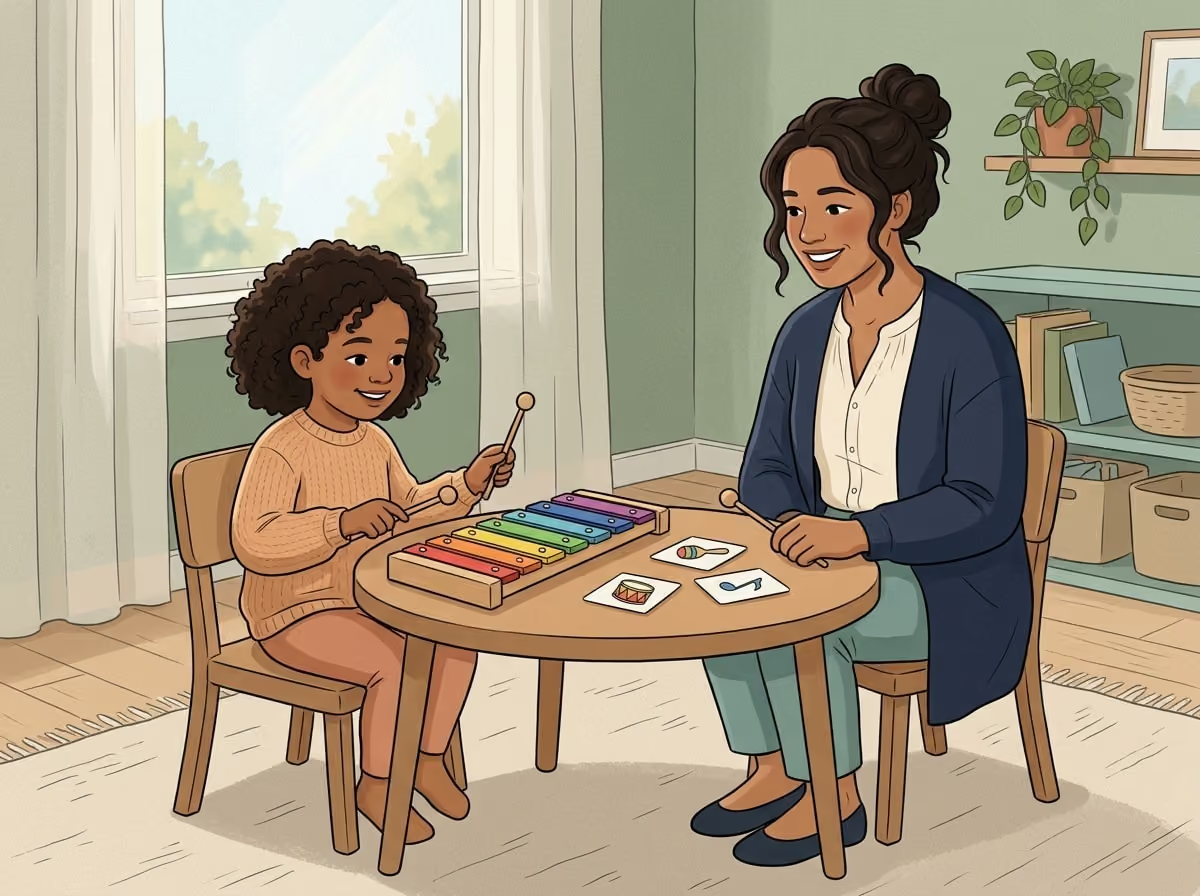
Many caregivers are surprised by how much musical memory remains, even when other memories fade. Researchers have explored why. One brain imaging study found that brain areas linked to long-term musical memory appear to be relatively spared in Alzheimer's disease compared with other regions.
A few other reasons music works well in dementia care:
- Familiar songs carry emotional memories. Music from someone's teens and twenties is often tied to important life moments, like a first dance or a wedding.
- Music doesn't depend on conversation. Humming, tapping or swaying lets a person take part without needing to find the right words.
- Rhythm can organize movement. A steady beat can make walking, standing or daily tasks easier to start and follow.
- Music changes the mood in the room. Calm music can ease tension, while upbeat music can bring energy and smiles.
- Music brings people together. Singing together gives family members and caregivers a way to share a joyful moment, not just a care task.
The songs that tend to stay with us longest are often the ones we heard between about ages 10 and 30. When building a playlist for someone with dementia, start with the music that was popular during those years of their life, along with songs from their faith, culture or family traditions.
What the Research Says About Music Therapy for Dementia
The most thorough summary of the evidence is a 2025 Cochrane review by Jenny van der Steen and colleagues, which combined 30 studies involving about 1,720 people with dementia. Most participants lived in care homes.
The researchers found that, compared with usual care, at least five sessions of music-based therapy:
- probably improve depressive symptoms by the end of treatment;
- may improve overall behavioral problems;
- may improve social behavior and reduce anxiety when compared with other activities, though this evidence is less certain.
The review also found that music therapy is unlikely to make a significant difference to agitation, aggression, emotional wellbeing or cognition. An earlier version of the same review, published in 2018, reached similar conclusions.
What this means for families
Research suggests music therapy won't slow memory loss or reverse dementia. What it can do is help people feel less sad and anxious, support connection and bring moments of joy, which matter a great deal for quality of life. Researchers also note that more studies are needed in community and home settings, and on how long the benefits last.
What Music Therapy Can Help With
A music therapist sets goals based on the person's stage of dementia, their personality and what the family or care team most wants to support. Common goals include:
- Mood. Easing low mood, sadness and anxiety through familiar and comforting music.
- Connection. Encouraging eye contact, smiles, conversation and shared moments with family.
- Reminiscence. Using songs to spark memories and stories from the person's life.
- Communication. Supporting speech through singing, which can sometimes come more easily than talking.
- Daily routines. Using songs to make bathing, dressing, eating or going to bed feel calmer and more predictable.
- Movement. Encouraging gentle exercise, stretching and walking with rhythm.
- Comfort in later stages. Providing calming, soothing music for people who are bed-bound or nearing the end of life.
What a Music Therapy Session Looks Like
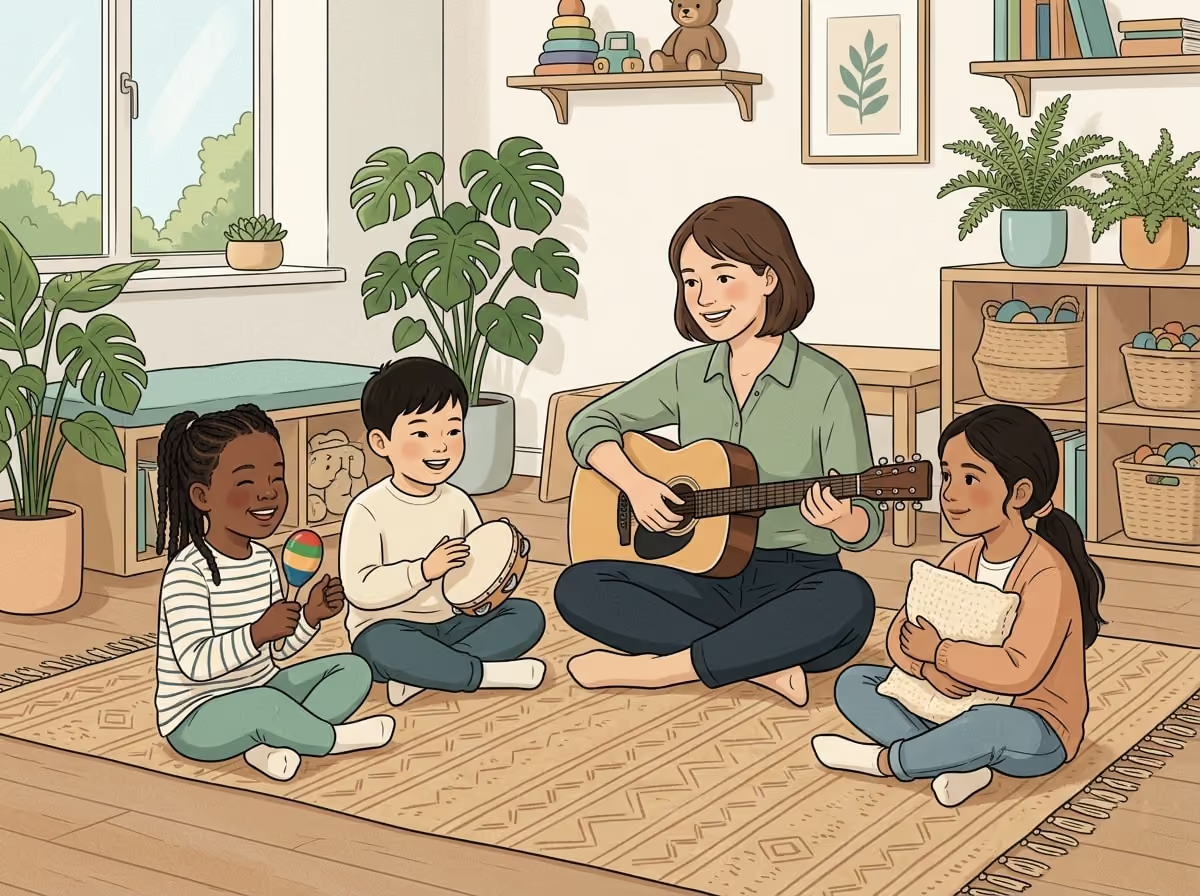
Sessions can take place one-on-one or in small groups, at home, in a care community, in a hospital or through telehealth. A session usually lasts 30 to 60 minutes and changes depending on the person's energy and mood that day.
| Activity | What it might look like | Possible goal |
|---|---|---|
| Familiar sing-along | Singing favorite songs from the person's younger years, with the therapist on guitar or piano | Mood, engagement, memory |
| Song-prompted reminiscence | Talking about where they were when a song was popular | Connection, life story, conversation |
| Simple instrument play | Shakers, hand drums or chimes to play along with the music | Attention, movement, participation |
| Movement to music | Seated stretches, arm movements or gentle dancing | Physical activity, coordination, energy |
| Calming music | Slow, quiet music or humming | Relaxation, reducing anxiety |
| Caregiver participation | Family members join in singing or holding hands | Shared joy, new ways to connect |
The person doesn't need any musical background to take part. Some people sing loudly, some hum, some simply listen with their eyes closed. All of those are meaningful responses.
Music Therapy vs Listening to Music
Playing music at home is wonderful, and caregivers should feel encouraged to do it. Music therapy adds something more. A music therapist can notice when a song brings up difficult emotions, adapt the music in the moment, set and track goals, and teach families specific ways to use music during hard parts of the day.
This is also different from relaxation-focused practices like sound baths or sound healing, which aren't designed around clinical goals. Our guide to sound healing vs music therapy explains the difference.
How Caregivers Can Use Music at Home
You don't need to be musical to bring music into daily care. Here are simple ideas to try:
- Build a personal playlist. Ask family members about favorite artists, songs from weddings and holidays, and music from your loved one's teens and twenties. Notice which songs bring smiles.
- Use music for routines. Play the same calm song during bathing or getting dressed, or sing through the steps of a task together.
- Match the mood, then shift it. If your loved one is restless, start with music that matches their energy, then slowly move toward calmer songs.
- Sing together. Your voice is familiar and comforting, even if you don't think you sing well.
- Keep it simple. Avoid playing music with other noise like a TV, and avoid commercials that can be confusing.
- Watch for signs of distress. Some songs can bring up sad memories. If a song causes tears or agitation, gently turn it off and try something else.
Make a small "sundowning" playlist with five or six calm, familiar songs. Late afternoon and evening can be hard for many people with dementia. Start the playlist before restlessness usually begins, dim the lights, and sit together. Many families find this helps the evening feel more settled.
Can Music Therapy for Dementia Be Done Online?
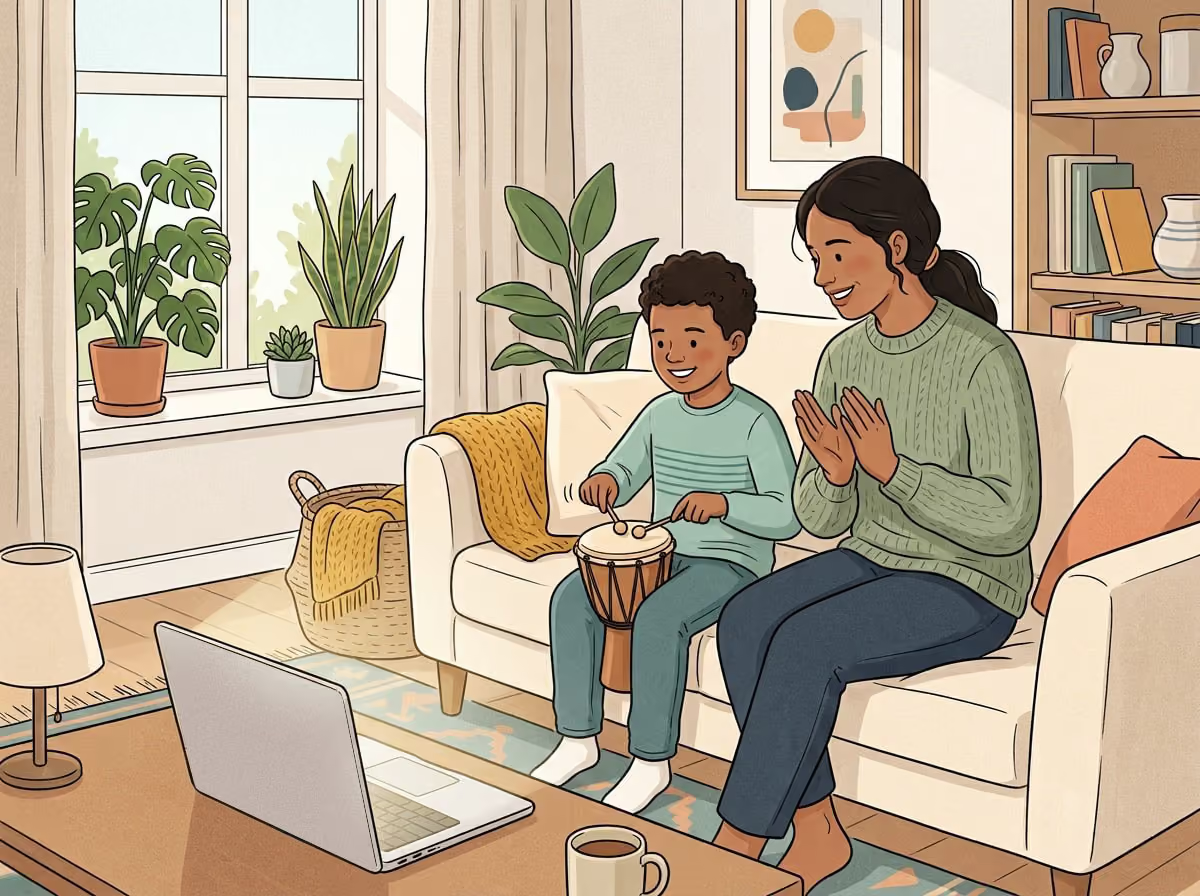
Yes. Telehealth music therapy can work well for people living at home, especially when a caregiver helps set up the device and joins in. Online sessions can include sing-alongs, reminiscence, movement and coaching for caregivers on how to use music between sessions. For families who live far from a music therapist, or whose loved one finds travel stressful, it can be an easy way to start.
How to Find a Qualified Music Therapist
In the US, look for the MT-BC credential, which means the music therapist is board certified by the Certification Board for Music Therapists. Ask whether they have experience with dementia and older adults, how they involve family caregivers, and whether they offer home visits or telehealth.
Some care communities, hospice programs and hospitals have music therapists on staff. Coverage varies, so ask your loved one's care team, hospice provider or insurance plan about options.
Music therapy is a complement to medical care for dementia, not a replacement for it. Talk with your loved one's doctor about any new or worsening symptoms, such as changes in mood, sleep, behavior or appetite, since these can have medical causes that need attention. Caregivers looking for support can call the Alzheimer's Association 24/7 Helpline at 800-272-3900. If you or someone you care about is in crisis, call or text 988 in the US.
FAQ
Does music therapy help dementia?
Research suggests it can help with some symptoms. A 2025 Cochrane review found that music-based therapy probably improves depressive symptoms and may improve overall behavioral problems in people with dementia. It is unlikely to improve memory or cognition, but it can support mood, connection and quality of life.
Why do people with dementia remember music?
Musical memories are often strongly tied to emotion and may rely on brain areas that are relatively spared in conditions like Alzheimer's disease. That's why many people with dementia can still sing familiar songs even when other memories have faded.
What kind of music is best for someone with dementia?
The best music is personal. Songs from the person's teens and twenties, music from their culture or faith, and songs tied to happy life events usually work well. Calm music can help with anxiety, while upbeat favorites can lift energy and mood.
Can music help with sundowning?
Many caregivers find that calm, familiar music in the late afternoon and evening helps their loved one feel more settled. Research on music and agitation is mixed, so it may not help everyone, but it's a low-risk approach worth trying alongside advice from the care team.
Is music therapy helpful in late-stage dementia?
Yes. Even when speech is very limited, many people respond to music by humming, moving, relaxing or making eye contact. In late stages, music therapy often focuses on comfort, calm and connection with loved ones.
Do caregivers need to be musical to use music at home?
No. Playing a familiar playlist or singing together, even off-key, can be meaningful. A music therapist can also coach caregivers on simple ways to use music during daily routines.
One Last Thing
Dementia takes away a lot, but music often stays. A familiar song can bring back a smile, a memory or a moment of real connection, for the person living with dementia and for the people who love them. Music therapy helps make those moments happen more often, with care and purpose.
